When your child holds their poop, the whole house holds its breath.
Poop and pee withholding is exhausting, confusing and honestly scary to watch. Pushing harder rarely fixes it. Understanding why your child is holding is where it starts.
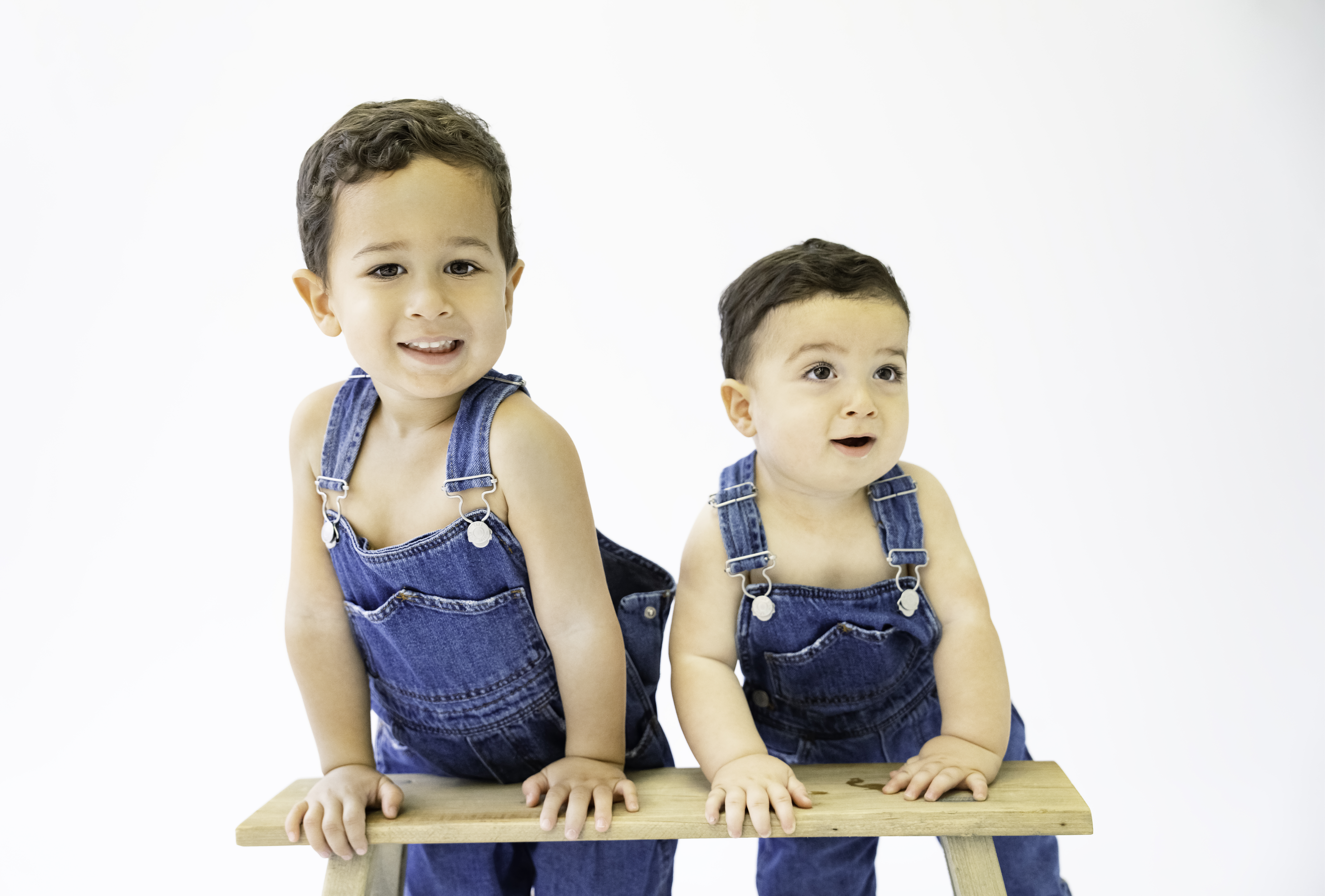
You know the signs before anyone else does.
The tiptoes. The crossed legs. The sudden quiet. Hiding behind the couch, red-faced, body stiff, insisting "I don't NEED to go!" while every part of them is clearly fighting it.
One day without poop. Two. Three. You start counting. You start checking.
Then it finally comes, and it hurts. They scream. They cry. And now they're even more scared to go next time.
And the pee. Holding it all day at daycare. The little dance in the kitchen. Refusing every bathroom that isn't home. Then the flood: in the car seat, at pickup, in the middle of the grocery store.
What holding is doing to your days
- Every poop has become an event. The bribes, the books, the iPad on the bathroom floor, the negotiating that ends in tears (sometimes theirs, sometimes yours).
- The streaks in the underwear. You keep finding them, and you keep wondering: is he doing this on purpose?
- The daycare calls. Another accident. Another "can you bring a change of clothes?" Another look from a teacher that makes you feel like you did something wrong.
- Your whole life is planned around bathrooms. You don't go to the park. You leave birthday parties early. Road trips feel impossible.
- The diaper. She asks for it, hides in the corner, and poops perfectly. Then refuses the toilet like it's lava.
- The disagreements at home. One of you wants to push. One of you wants to back off. Nobody knows who's right.
- The fear underneath it all. What if I'm making this worse? What if this is my fault? What if this follows them to school?
If you're nodding at more than one of these, you're not imagining it, and you're not alone.
Holding isn't stubbornness.
For a lot of kids, holding starts after one poop that hurt, or one moment that felt scary or out of their control. The body learns that letting go feels bad. So it holds. And holding can make the next poop harder, which makes them want to hold even more.
That's why pushing harder rarely works. You can't force a body to relax.
And if your child asks for a diaper, hides, and then poops comfortably? That's not "she has no idea how to potty train." That pattern tells me she already has several pieces of the skill. What I want to understand is why the toilet changes the conditions her body needs to let go. Take the diaper away too soon, and a toilet problem can become a comfortable-pooping problem. That's the one I care about more.
Already seen the doctor, and still stuck?
The pediatrician has done their part. The stool is softer, the constipation is being treated, and your child still won't go on the toilet.
That's exactly the space I work in. I work alongside your child's doctor, never instead of them, and I never give medication or dosing advice. If something needs medical attention, I'll tell you.
How I look at withholding
- 01The whole pattern, not just the toilet.
When the urge comes, what your child does with it, where they feel safe letting go, and what happens right before and after.
- 02What's driving it.
Fear, discomfort, control, routine, school or the words the adults use: each one needs a different approach.
- 03Comfort first.
I would much rather protect comfortable pooping than "win" the toilet this week.
- 04The lowest-pressure next step.
Small steps your child can actually take, with every adult responding the same way.
- 05Adjusting as your child responds.
Your child's body tells us when to take the next step, and when another professional should be involved.
This isn't a three-day bootcamp.
It's for the kids a bootcamp didn't work for. And for the parents who don't want to win the toilet and lose comfortable pooping.

Hi, I'm Arianne.
I'm a Certified Oh Crap! Potty Training Consultant and a mom to three boys, so yes, I've stood outside that bathroom door too. I look at the whole child, because potty problems are rarely just potty.
Questions parents ask me
Will you make me take the diaper away?
Not before we understand why your child needs it. Sometimes the diaper is a bridge, not the problem.
My child is constipated. Can you still help?
Yes, alongside your pediatrician. Medical treatment stays with them. I work on the fear, the routine, the language and the steps toward the toilet. I never give medication or dosing advice.
My child is 4 (or 5). Is it too late?
No. Holding can show up at any age, and the earlier we understand it, the easier it usually is to unwind.
Can you help with school or daycare?
Yes. Getting the teachers on the same page is often a big part of it.
How long does it take?
I don't promise a timeline. It depends on how long the holding has been going on and what's driving it. We'll talk about your child specifically on the call.
Can you guarantee it will work?
No, and I'd be careful of anyone who does. What I can promise is that I'll understand what's happening before I ask you to change anything.
You don't have to keep guessing at the bathroom door.
If you've caught yourself thinking "I KNOW she can poop, why won't she do it on the toilet?", or you're counting days between poops, or you're dreading the next call from daycare: you're in the right place. Tell me what's happening, without organizing it perfectly.